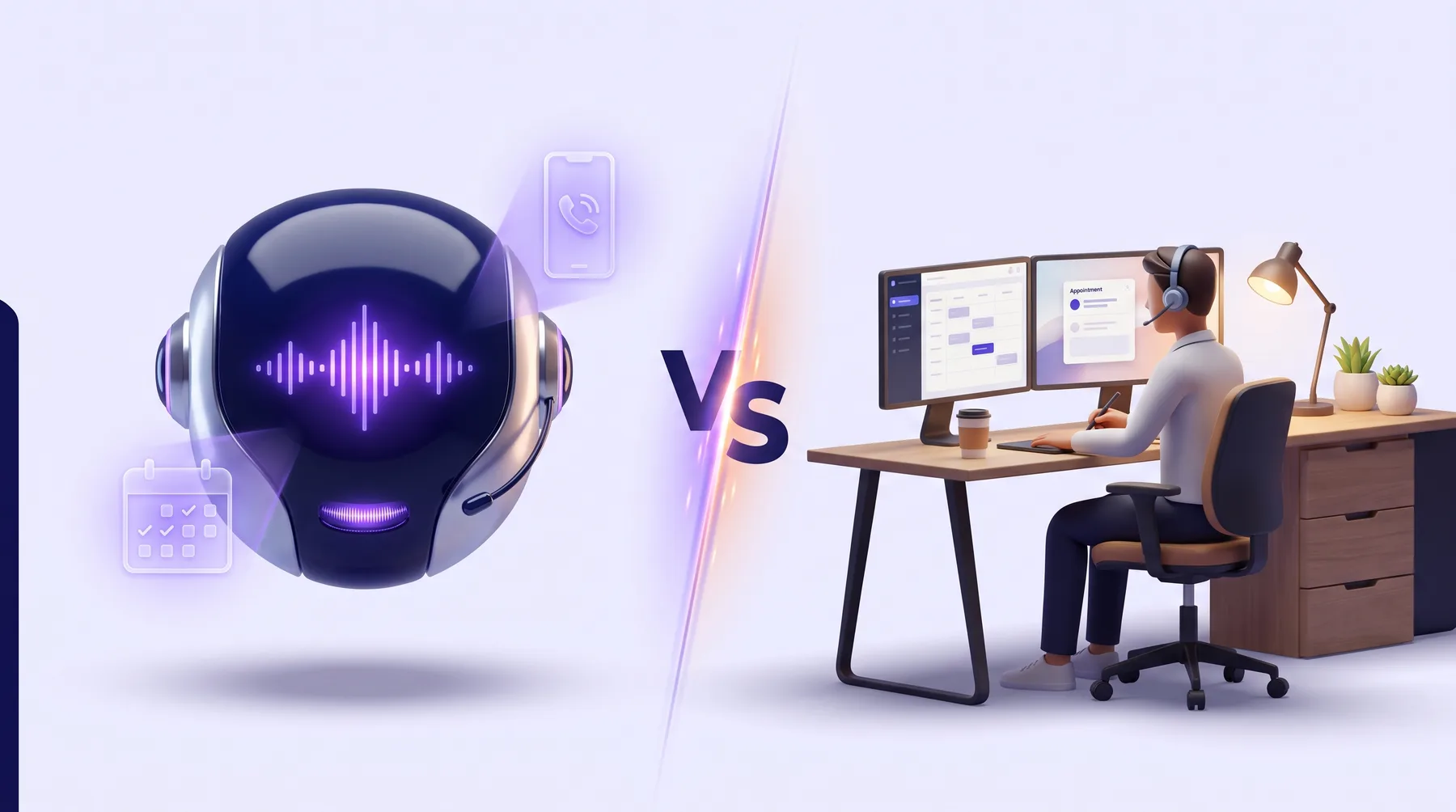
AI Setters vs. Human Appointment Setters: Which Books More Appointments?
March 23, 2026 11 min read Honest Analysis
Under 60s
AI response time on every lead
24/7/365
Availability with zero shift gaps
5x to 15x
Lower cost than a human team
AI setters answer every lead in under 60 seconds for about a tenth of the cost of a human appointment setter, and this side-by-side shows exactly where each one wins. This is not a hit piece on human appointment setters. Good SDRs are among the hardest-working people in any sales organization. This is an honest, data-driven comparison of two approaches to the same job: converting inbound leads into booked appointments. Both have strengths. Both have limitations. The right answer depends on your business, your volume, and your budget.
The Side-by-Side Breakdown
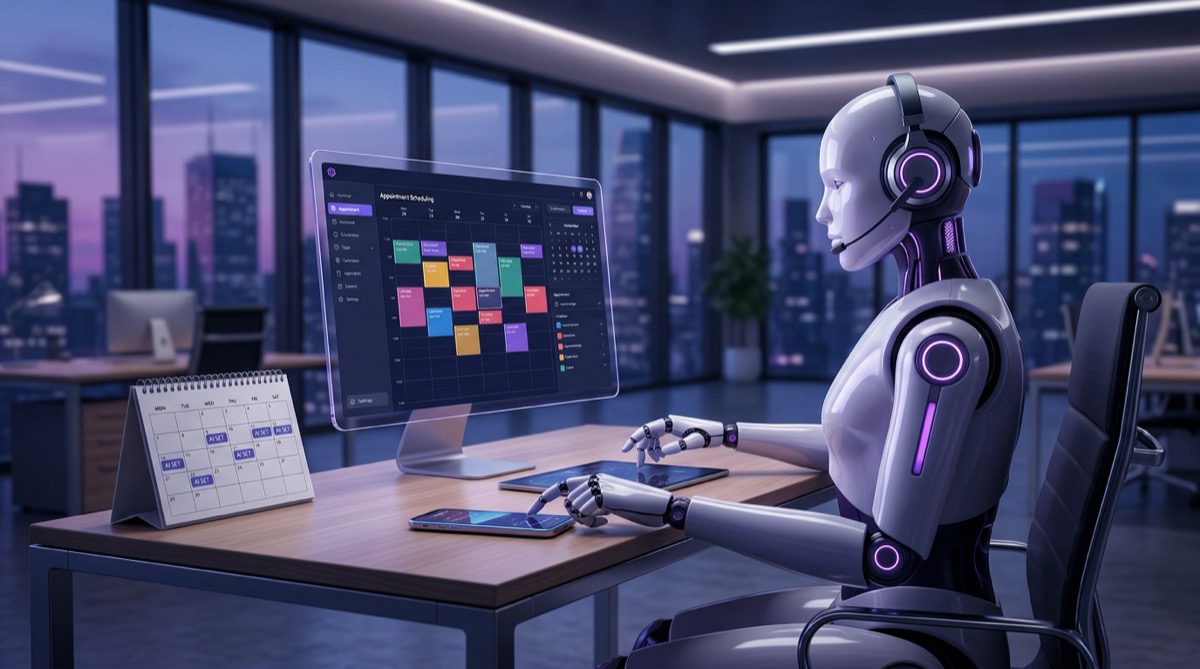
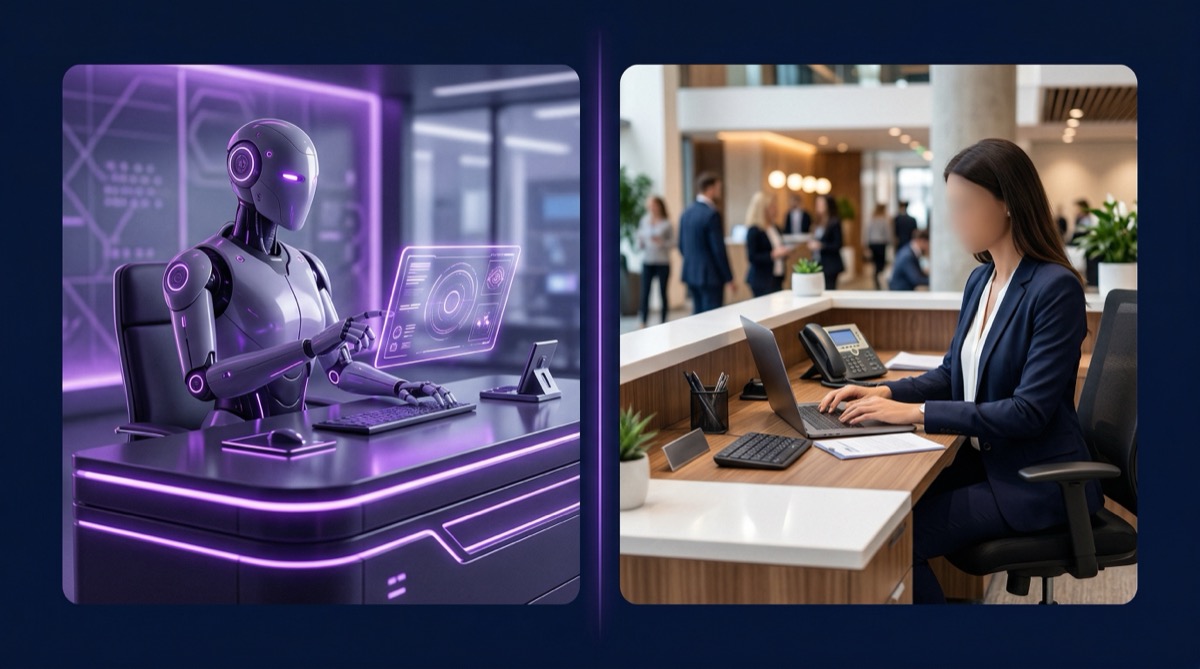
Across cost, availability, consistency, scalability and conversation quality, AI setters win four of the five, and they answer every lead in under 60 seconds for about a tenth of the cost of a human setter. We evaluated AI and human appointment setters across the five dimensions that matter most to business owners: cost, availability, consistency, scalability, and conversation quality. Here is what the data shows. If you are weighing specific platforms, see how CallSetter AI compares to Setter AI.
Cost: $500 to $2,000/month flat. No benefits, no training overhead, no turnover costs.
Availability: 24/7/365. No sick days, no vacations, no shift gaps. Handles unlimited concurrent calls.
Consistency: Same script, same energy, same qualification accuracy on call #1 and call #1,000.
Scalability: Handles 1 call or 100 simultaneous calls at the same cost.
Quality: Excellent for routine qualification. Limited in nuanced objection handling and complex negotiations.
Speed: Under 60 seconds response time on every lead, every time.
Human Appointment SetterA trained rep working the phones
Cost: $35,000 to $55,000/year salary plus benefits, training, management, and turnover costs.
Availability: 8 hours/day, 5 days/week. Sick days, vacations, breaks. Single-threaded (one call at a time).
Consistency: Varies by day, mood, fatigue. Friday 4 PM performance differs from Monday 9 AM.
Scalability: Requires hiring, training, and managing additional headcount for each increment of capacity.
Quality: Superior at reading emotional cues, handling complex objections, and building personal rapport.
Speed: Depends on staffing levels. Often 5 to 30+ minutes during peak hours or after hours.
Cost Comparison: The Real Numbers
The cost gap is wider than most business owners realize, because salary is only a fraction of the total cost of a human setter. We break down every line item in our AI appointment setting cost guide.
Swipe to compare
Cost Category
AI Setter
Human Setter
Monthly base cost
$500 to $2,000
$2,900 to $4,600salary only
Benefits and taxes
$0
$700 to $1,400/month
Training (initial)
$0configured once
$2,000 to $5,0002 to 4 weeks
Management overhead
$0
$500 to $1,000/monthmanager time
Turnover cost14-month avg tenure
$0
$4,000 to $10,000per replacement cycle
After-hours coverage
Included
+$2,500 to $5,000/monthadditional staff
Total annual cost (with 24/7)
$6,000 to $24,000
$85,000 to $180,000+
Total Annual Cost, 24/7 Coverage
Top of each range. Bars drawn to scale.
AI appointment setter$0/yr
$1,000 to $2,000/month covers every hour of the year
Human team (3 FTEs for 24/7)$0/yr
Day shift, evening shift, and weekend rotation, fully loaded
Up to $156,000/yrkept in your pocket for the same time coverage
The Verdict, Dimension by Dimension
Five dimensions, five honest calls. AI takes four on volume economics. Humans keep the crown where empathy decides the deal.
Cost
AI wins
5x to 15x cheaper all-in, no hidden overhead
Availability
AI wins
24/7/365 with unlimited concurrent calls
Consistency
AI wins
Call #1,000 sounds exactly like call #1
Scalability
AI wins
1 or 100 simultaneous calls, same cost
Conversation Quality
Humans win
Emotional nuance and complex objections
Final score: AI 4 · Humans 1 · Best teams run both
Where AI Wins (No Contest)
Speed and Availability
AI responds in under 60 seconds, every time, including 2 AM on Christmas Day. Speed to lead is the #1 predictor of conversion, a 391% advantage at 1 minute.
Consistency
The same qualification quality on call 10,000 as on call one. No fatigue, no bad days, no skipped budget questions after a rude caller.
Scalability
50 calls hit at once after a TV ad? AI answers all 50. A team of 5 answers 5 and sends 45 to voicemail. Scaling AI is a configuration change.
Speed and Availability
This is the most lopsided advantage. AI responds in under 60 seconds, every time, including 2 AM on Christmas Day. Our after hours call answering guide shows why this matters most for service businesses. Human setters are constrained by scheduling, and even the best-staffed teams have gaps during shift changes, lunch breaks, and unexpected absences. Given that speed to lead is the #1 predictor of conversion (391% advantage at 1 minute), this alone justifies AI for most businesses.
Consistency
AI delivers the same qualification quality on its 10,000th call as its first. No fatigue. No bad days. No forgetting to ask the budget question because the previous caller was rude. Human performance varies by time of day, day of week, personal circumstances, and accumulated fatigue. This variance introduces unpredictable lead quality downstream.
Scalability
When a roofing company runs a TV ad and 50 calls come in simultaneously, AI handles all 50. A human team of 5 handles 5, and the other 45 go to voicemail. Scaling AI is a configuration change. Scaling humans requires recruiting, interviewing, hiring, training, and managing new employees over a 4 to 8 week ramp period.
Where Humans Win (Honestly)
Complex Objections
Reading emotional context, empathizing genuinely, and adjusting in real time when trust has been broken before.
Enterprise Deals
When the deal is $50,000+ and the buyer expects a consultative first touch, a trained human still holds the edge in discovery.
Sensitive Situations
Personal injury intake and mental health scheduling call for judgment and emotional intelligence that deserve a human first.
Complex Objection Handling
When a prospect says "I had a bad experience with a contractor last year and I am not sure I trust anyone," a skilled human setter can read the emotional context, empathize genuinely, and adjust their approach in real time. AI handles scripted objections well, but the most nuanced emotional situations still benefit from a human touch. This matters most for high-value, relationship-driven sales.
Enterprise and High-Value Sales
When the deal size is $50,000+ and the buyer expects a personalized, consultative experience from the first interaction, a trained human setter who can discuss technical requirements, reference case studies, and build rapport delivers higher perceived value. AI is advancing rapidly in this area, but for enterprise deals in 2026, humans still hold an edge in the initial discovery conversation.
Highly Sensitive Situations
Personal injury intake, mental health scheduling, and similar high-sensitivity conversations require a level of emotional intelligence and judgment that current AI handles adequately but not exceptionally. For businesses in these categories, a human-first approach with AI as a backup for overflow and after-hours often works best.
The best-performing teams in 2026 are not choosing between AI and humans. They are using AI to handle the 80% of routine conversations so their human setters can focus on the 20% that require genuine empathy, complex problem-solving, or high-value relationship building.
For the vast majority of businesses with inbound lead flow, AI appointment setting is the higher-ROI choice. Our AI appointment setter ROI analysis quantifies the difference. The math is simple: it costs 5x to 15x less, responds 10x to 100x faster, scales infinitely, and delivers consistent quality. The leads that require human nuance represent 10 to 20% of total volume, and those leads benefit from having a human setter who is not drowning in routine calls. For a vertical example, see AI appointment setting for insurance agencies, where speed to lead decides which agent wins the policy.
The question is not AI or humans. It is how to deploy each where they create the most value. AI handles the volume. Humans handle the complexity. Together, you capture every lead and close at a higher rate than either approach alone. See what an AI call appointment setter can do for your inbound leads, and the full cost of missed calls for service businesses when you do not.
Whether you go all-AI, all-human, or hybrid, the first step is seeing what AI can handle for your specific industry and lead flow. Not sure which model fits? Read our done-for-you vs. DIY AI voice agent comparison, then see pricing and find the right fit.